

In-Fisherman: Midsummer Walleye Patterns
Fishing Tips & Tricks from the In-Fisherman

Midsummer Walleye Patterns
By In-Fisherman
Main-lake bars attract walleyes all summer if perch or other forage are present. Check weedlines on points, offshore humps, and shoreline breaks, concentrating on turns, points, and pockets.
Rocky hard-bottom breaklines attract shiners and other crevice dwellers, especially where shallow meets deep with a hard-bottom area in between. These classic spots with small, less-distinct breaks often are neglected by most anglers.
Narrows between masses of water create current that funnels plankton from shallower more-fertile bays into deeper open water. Forage species like shad, minnows, and perch collect on lips, weedlines, breaks, rocks, and other features where the neck widens.
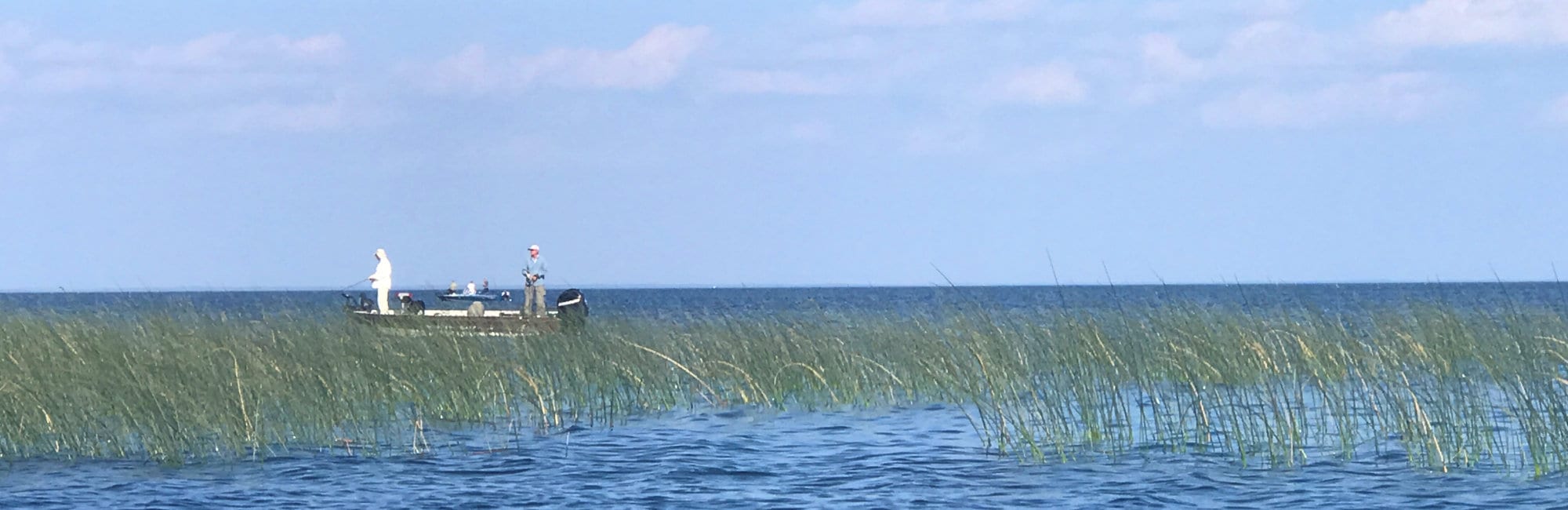
Points and bars with sandgrass provide a prime haunt for forage-size perch and other prey. Look for sandgrass on sandy flats where other plants can’t grow, or on outside weedlines where larger plants don’t shade the sandgrass.
The largest points extending into the main basin are classic areas. The heaviest concentration of walleyes hold near the most extensive rocky breaks or hard-bottom areas, but smaller groups roam weed edges or smaller patches of gravel or rock piles along the point.
Weedlines at night draw walleyes, which during the daytime are shallow and deep, to the deep edge near necks in or around shallow bays and along main-lake bars or points. For a chance at a trophy, try longline trolling with minnow baits, like a Rapala, Rogue, or a Bang-O-Lure.
Tips & Tricks Courtesy of In-Fisherman
7819 Highland Scenic Road
Baxter, MN 56425
218-829-1648